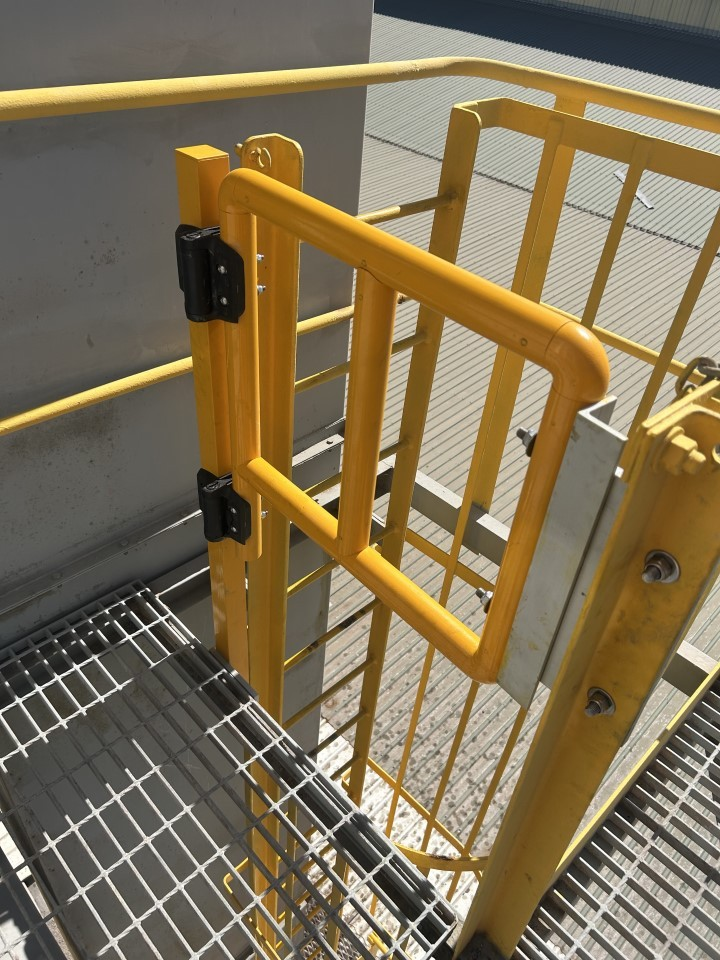
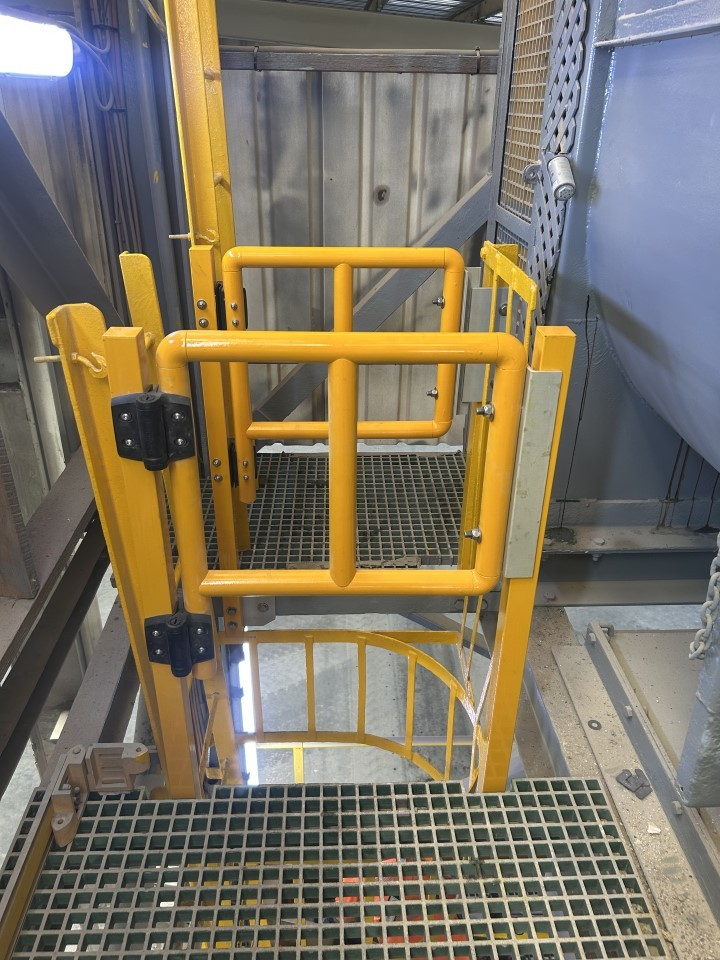
In industrial environments, access systems are often overlooked until they become a bottleneck to productivity or a potential safety risk.
For facilities operating in the fertiliser and chemical processing industries, creating safe, efficient pathways for personnel is critical. These sites often contain bunded areas, pipework, process infrastructure and restricted access zones that can make movement around a facility challenging.
When traditional access routes create delays or introduce unnecessary risks, a well-designed FRP access structure can provide a practical and long-lasting solution.
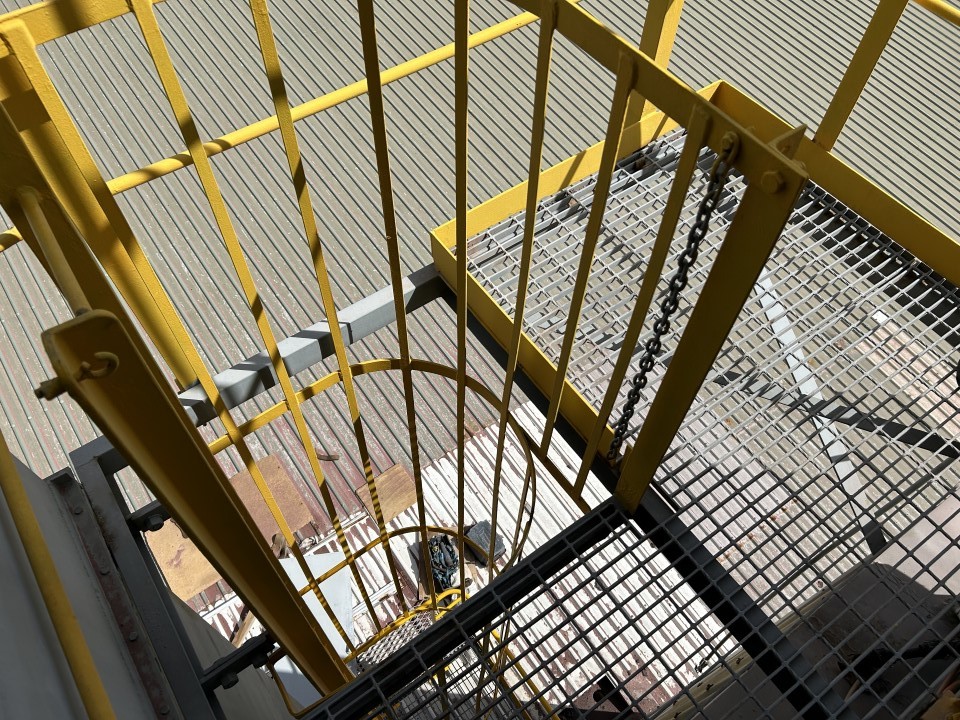
The Challenge of Bunded Areas
Bunded areas play an important role in containing spills and protecting the surrounding environment. However, they can also create obstacles for personnel who need to move regularly between operational areas.
Without a direct crossing point, workers may be required to walk around the perimeter of large bunds, adding time to routine tasks and reducing overall efficiency.
Over time, these small inefficiencies can have a significant impact on productivity, particularly in facilities where operators frequently move between work areas throughout the day.
The challenge is finding a solution that provides safe access without compromising the integrity of the bund or disrupting ongoing plant operations.
Why FRP Is Well Suited to Industrial Access Structures
Fibre-Reinforced Polymer (FRP) has become a preferred material for industrial access systems due to its unique combination of strength, durability and lightweight performance.
Unlike traditional steel structures, FRP offers:
Corrosion Resistance
Fertiliser and chemical processing facilities are often highly corrosive environments. FRP does not rust or corrode, making it an ideal long-term solution where steel may require ongoing maintenance or replacement.
Lightweight Construction
FRP structures are significantly lighter than steel while maintaining excellent structural performance. This can simplify transport, lifting and installation, particularly where crane access or installation windows are limited.
Reduced Installation Time
Because FRP structures can be fabricated and assembled offsite, installation can often be completed much faster than traditional construction methods.
Lower Maintenance Requirements
FRP requires minimal ongoing maintenance, reducing lifecycle costs and helping facilities minimise downtime associated with repairs and inspections.
The Value of Prefabrication
One of the most effective ways to reduce installation risk and improve project efficiency is through prefabrication.
By completing detailed site measurements and engineering during the design phase, access structures can be manufactured to precise dimensions before arriving onsite.
This approach provides several benefits:
- Reduced onsite labour requirements
- Improved quality control
- Faster installation
- Reduced exposure to operational hazards
- Less disruption to plant operations
For many industrial clients, these benefits are just as valuable as the structure itself.
Delivering a Complete Access Solution
Recently, FRP Engineering was engaged by a fertiliser processing facility to provide a safe crossing point over a large bunded area that separates two high-traffic operational zones.
The objective was straightforward: create a direct access route that would improve efficiency while maintaining safety and compliance.
The challenge was that the crossover needed to span the bund, could not be accessed during installation, and had to be installed as a single crane lift.
Through detailed site assessment, engineering design and offsite fabrication, FRP Engineering developed a lightweight FRP crossover structure that was manufactured in a single piece and installed onto prepared concrete plinths in just one day.
The completed structure provided a safe, compliant and highly durable access route while minimising disruption to ongoing plant operations.
Designing for Long-Term Performance
Every industrial facility has unique operational requirements, environmental conditions and maintenance challenges.
That’s why successful access structures are not simply selected from a catalogue—they are engineered to suit the specific needs of the site.
At FRP Engineering, every project begins with understanding how the structure will be used, what challenges exist onsite and how the solution can provide long-term value.
Through careful planning, accurate measurement and extensive FRP product knowledge, access systems can be designed to improve safety, increase operational efficiency and reduce lifecycle costs.
Looking Beyond Access
While access structures may seem like a small component within a larger facility, they can have a significant impact on productivity, safety and maintenance efficiency.
A well-designed FRP crossover, platform or walkway can reduce travel times, improve worker safety and provide decades of reliable service with minimal maintenance.
For facilities operating in corrosive environments such as fertiliser production, chemical processing, mining and water treatment, FRP continues to prove itself as a practical and cost-effective alternative to traditional materials.