

Australia is home to some of the highest UV radiation levels in the world. While our coastlines and outdoor spaces are among the most spectacular on earth, they also present extreme challenges for traditional construction materials. Steel and timber—long considered the standard for jetties, walkways, and public infrastructure—struggle under these conditions, leading to accelerated degradation, costly maintenance, and reduced service life.
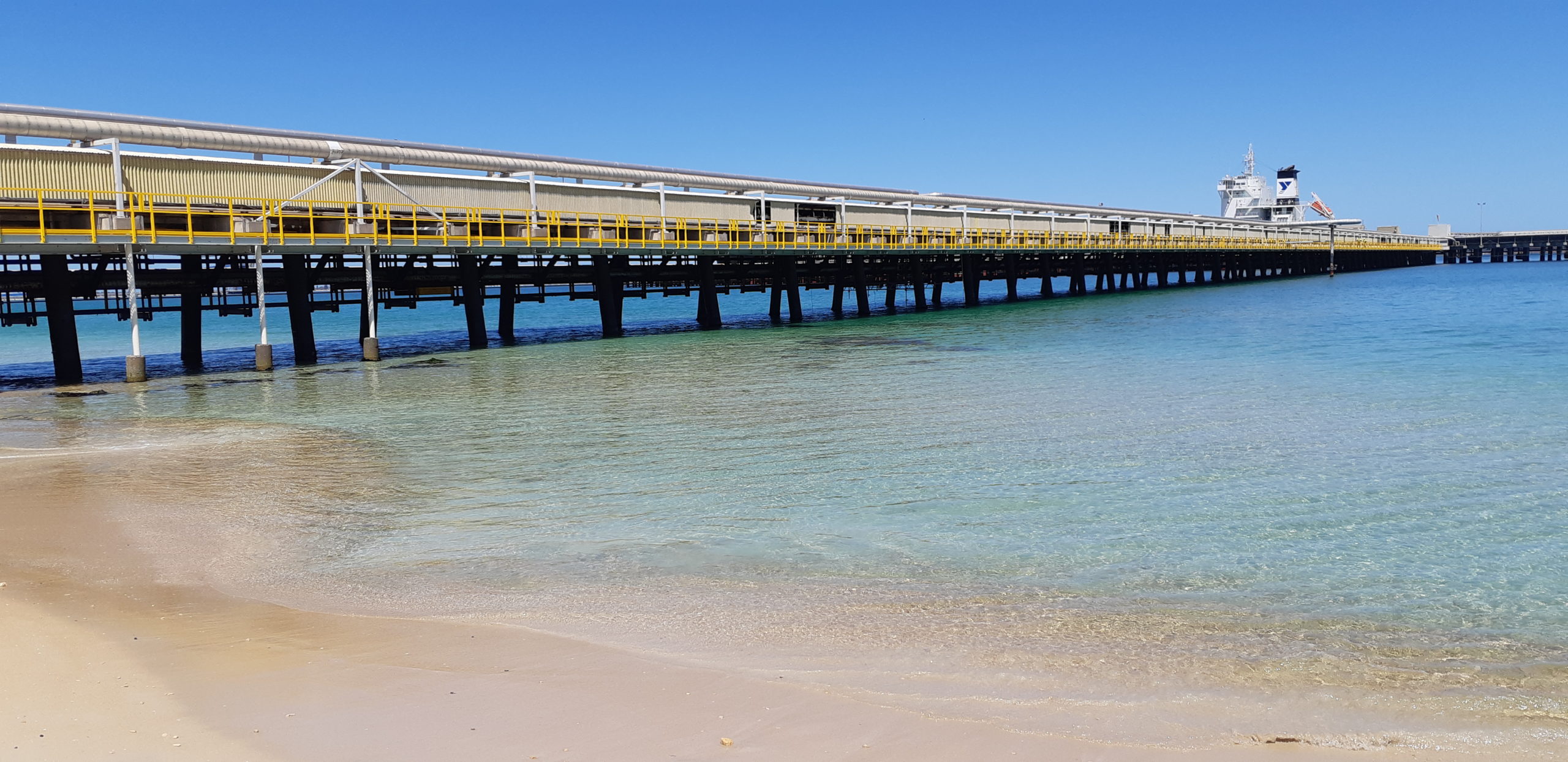
At FRP Engineering, we know there’s a smarter way forward.
The Impact of UV on Traditional Materials
☀️ Steel: Under prolonged UV exposure, protective coatings and paints break down, accelerating corrosion. Once the surface is compromised, rust sets in quickly, undermining long-term durability.
☀️ Timber: Timber weathers poorly in the Australian sun. UV radiation breaks down lignin, the natural binder that holds cellulose fibres together. This results in cracking, splintering, fading, and ultimately weakened structural performance.
The result? More frequent repairs, higher upkeep costs, and shortened lifespans for coastal and outdoor structures.
Why FRP Excels in High-UV Environments
Fibre Reinforced Plastic (FRP) is engineered to resist the harshest conditions Australia can deliver:
- UV Resistance – Advanced resin systems protect against structural degradation, ensuring long-term durability without fading or brittleness.
- Corrosion Resistance – Unlike steel, FRP won’t rust or corrode in salty coastal environments.
- Strength Without Weight – FRP’s lightweight design simplifies installation while offering superior strength compared to timber.
- Low Maintenance – Resistance to UV and corrosion means minimal upkeep over decades of service.
- Sustainability – Longer lifespans and reduced maintenance make FRP the smarter, greener choice.
Engineered for Australian Conditions
From jetties and boardwalks to coastal infrastructure and public spaces, FRP is proving itself as the material of choice across Australia. Its ability to endure high UV exposure, pounding surf, and saline conditions ensures safer, longer-lasting assets for communities and industries alike.
At FRP Engineering, our mission is to design and deliver FRP solutions that not only perform under pressure but also minimise lifecycle costs. In the face of Australia’s extreme climate, FRP is more than just an alternative—it’s the future of resilient infrastructure.