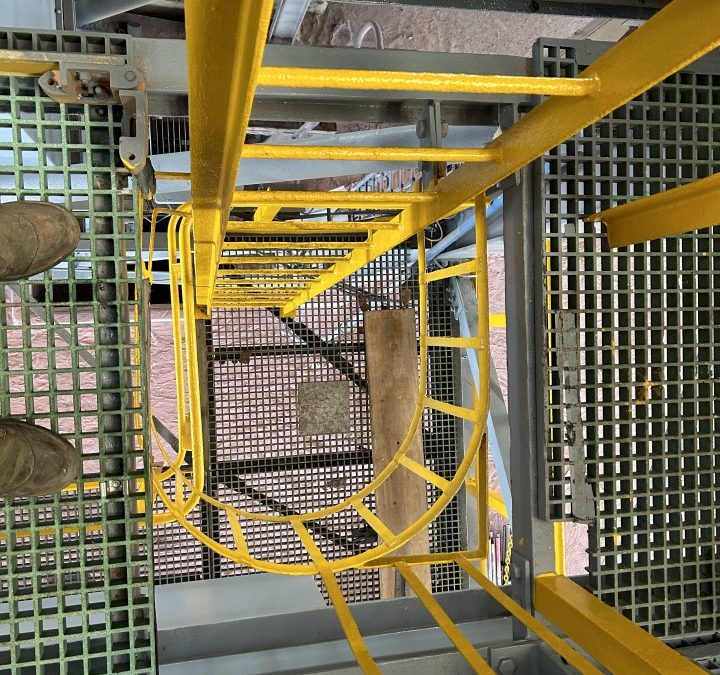
Why Prefabricated FRP Access Structures Are Ideal for Fertiliser and Chemical Processing Facilities
In industrial environments, access systems are often overlooked until they become a bottleneck to productivity or a potential safety risk. For facilities operating in the fertiliser and chemical processing industries, creating safe, efficient pathways for personnel is...
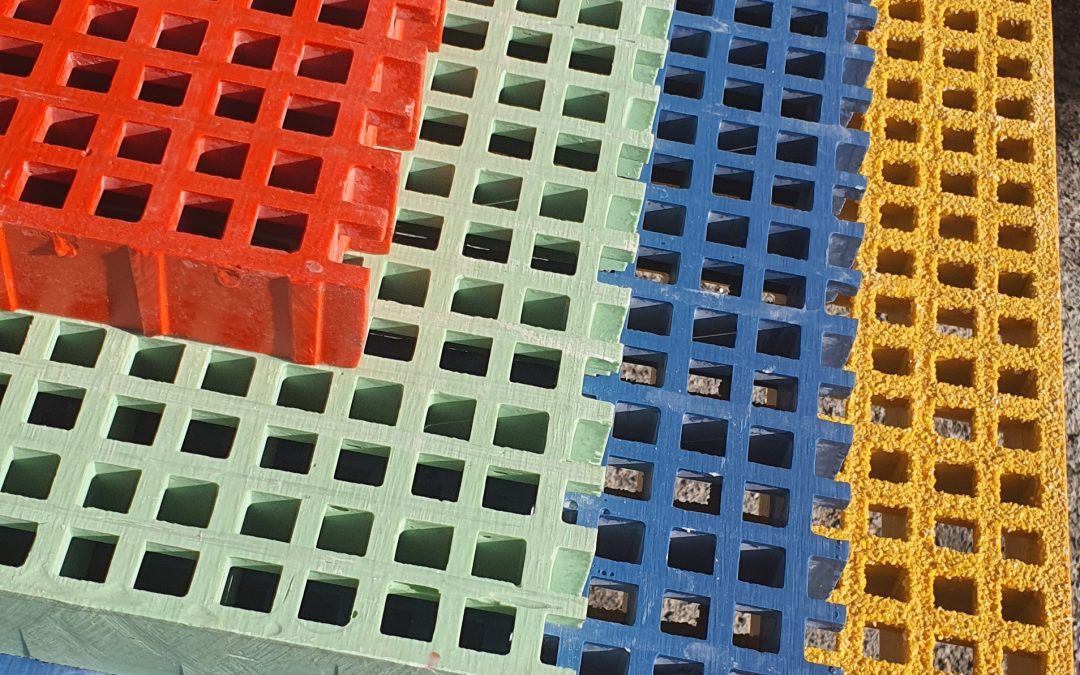
Choosing the Right Colour for FRP Structures: More Than Just Aesthetics
When specifying an FRP (Fibre Reinforced Polymer) access system, most people focus on strength, corrosion resistance and longevity. But one design element that's often overlooked is colour. From safety and visibility to branding and environmental integration, choosing...
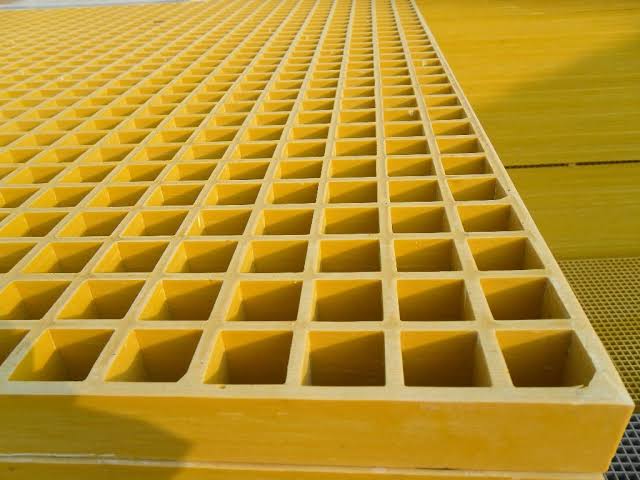
What is FRP? A Practical Guide to Fibre Reinforced Plastic
Fibre Reinforced Plastic (FRP) is rapidly becoming a preferred material across a range of industries—but what exactly is it, and why is it gaining traction? This guide breaks it down. From wastewater treatment plants and mining sites to commercial rooftops and...

How FRP Performs in Australia’s Harsh UV Conditions
Australia is known for some of the harshest environmental conditions in the world — and UV exposure is one of the most significant. With consistently high UV levels across the country, materials used in outdoor infrastructure are subject to intense, long-term...
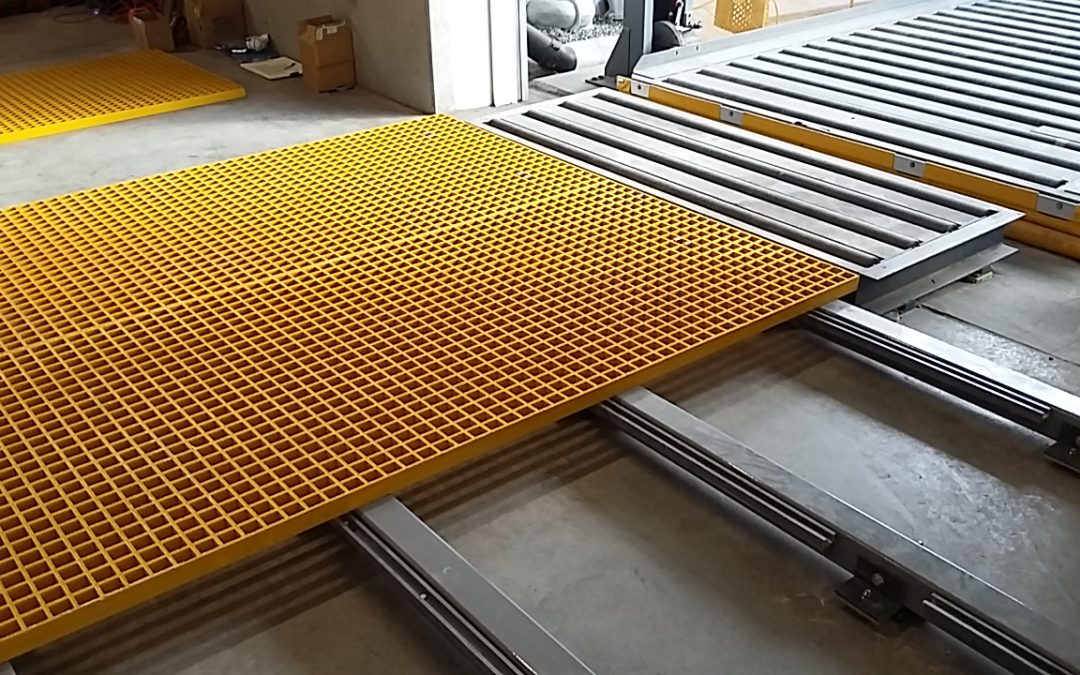
Improving Material Handling in a Seafood Processing Facility Using FRP
In high-throughput processing environments, efficiency is rarely limited by machinery — it’s usually limited by movement. At a Perth seafood processing facility exporting large volumes internationally each day, the movement of standard air freight...

The Hidden Costs of Steel: Why FRP Is the Smarter Long-Term Investment
A lifecycle cost comparison revealing how FRP reduces maintenance, corrosion risk and shutdown time. Steel has long been the default material for industrial walkways, platforms and access systems — but its long-term costs are often underestimated....

Designing a Precision FRP Platform for a Sloped Residential Site in South Perth
When most people think of Fibre Reinforced Polymer (FRP), they think large-scale mining plants, corrosive processing environments or coastal infrastructure. But FRP’s versatility, strength-to-weight ratio and prefabrication advantages make it just as effective for...

Designing FRP Structures for Compliance and Safety
Safety and compliance are non-negotiable on industrial sites. Whether it’s an elevated walkway, access platform or handrail system, every structure must perform reliably under load while meeting relevant Australian Standards. When it comes to FRP structures, safety...

Why FRP Is Replacing Steel in Corrosive Environments
Across industrial, coastal and chemical-exposed environments, corrosion remains one of the most costly and persistent challenges facing asset owners. Traditionally, steel has been the default structural material — but over time, its vulnerability to corrosion has led...

Why FRP Platforms Outperform Steel in Harsh Industrial Environments
Industrial facilities operating in sectors such as mining, oil & gas processing, chemical manufacturing, utilities, desalination, and marine infrastructure require access platforms, walkways and support structures that maintain mechanical performance under...

How FRP Reduces Shutdown Time and Maintenance Costs in Industrial Facilities
Shutdown planning is one of the most significant operational cost drivers in industrial plants, mining operations, and utilities. Every hour of downtime impacts production, labour allocation, scheduling, and safety planning. When access platforms, walkways, or...

Design-to-Install: Why Working with a Full-Service FRP Partner Reduces Risk and Improves Project Outcomes
Choosing the right material is only one part of delivering a successful platform, walkway, or access upgrade. The real challenge lies in how that material is designed, fabricated, transported, and installed on site — particularly when working in live industrial...